

In early life, the human brain goes through critical periods—brief “golden windows” when sleep, vision, hearing, attachment, and language are wired for life. Drawing on the pioneering work of Nobel laureate Konrad Lorenz and contemporary neuroscience, we explore some of the most famous experiments and human case studies that illustrate how crucial certain experiences are during early childhood.
the full story
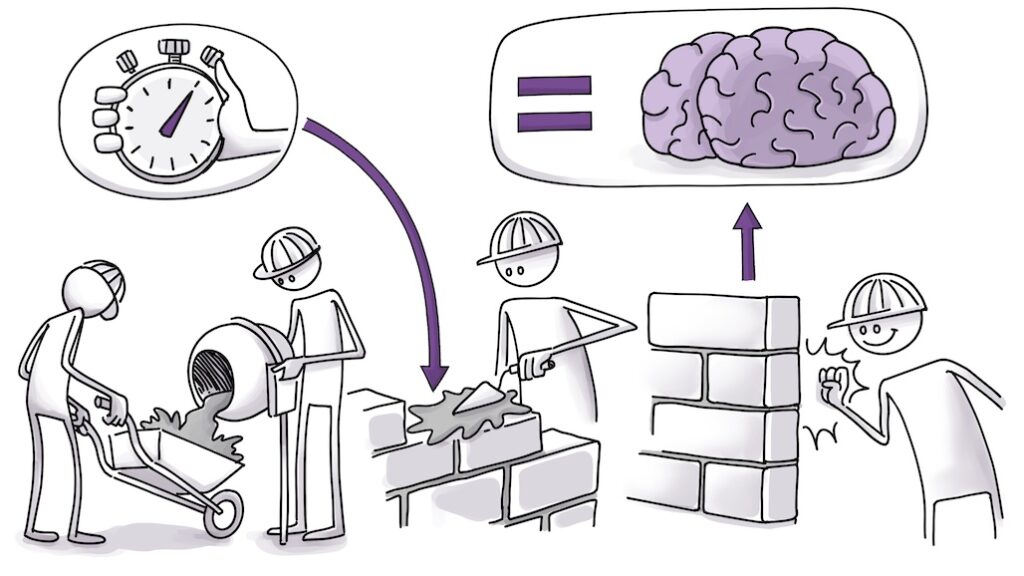
When builders pour the foundation of a house, there is a brief moment when the concrete is soft enough to shape—then it hardens into stone. Brains work in much the same way.
brain development
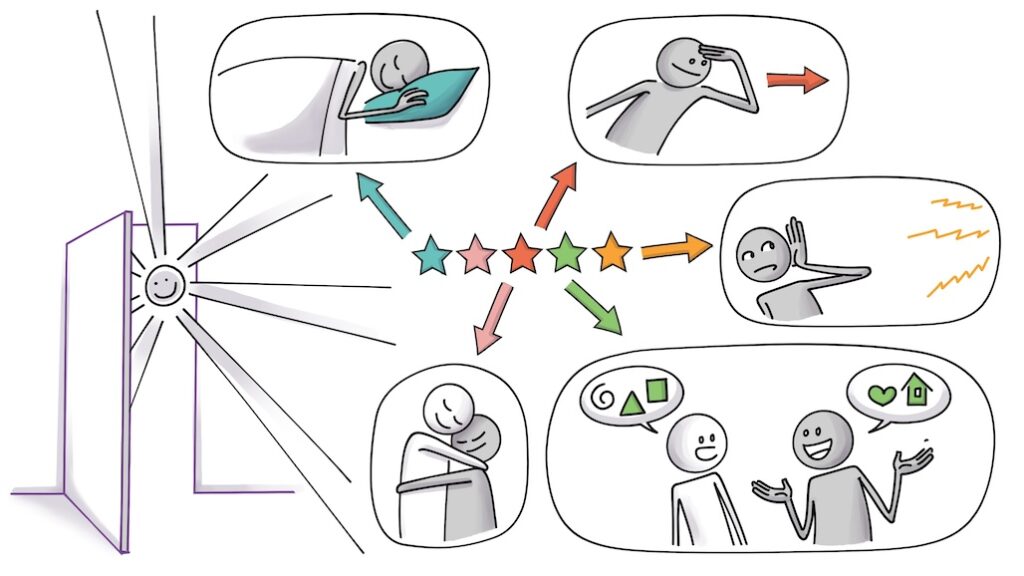
Throughout childhood, there are critical periods during which certain experiences shape our minds in ways that are essential for healthy development. The quality of your sleep, vision, hearing, language, and trust in others were governed by such golden time windows.
critical periods
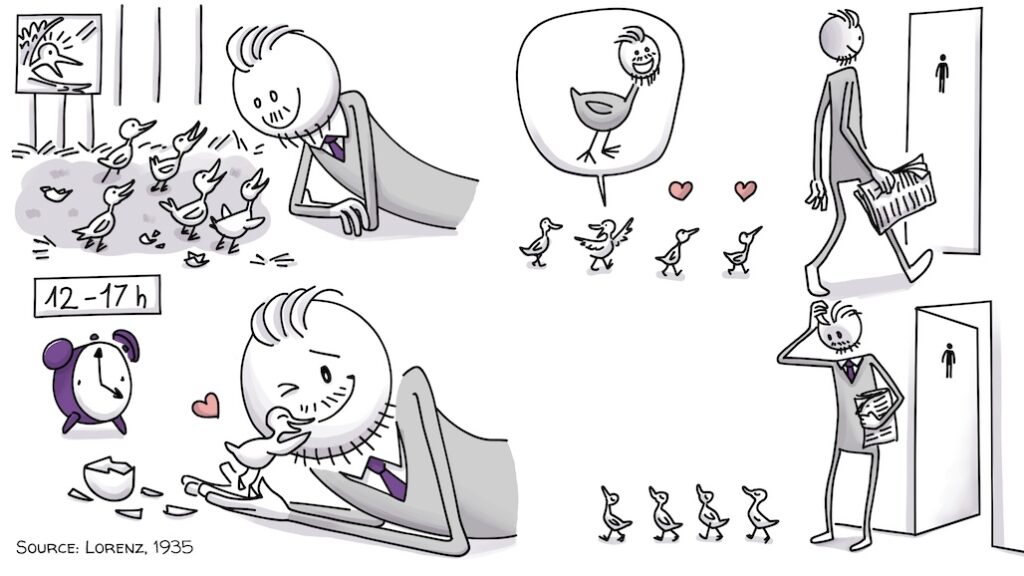
Konrad Lorenz, a Nobel Prize–winning zoologist, was the first to demonstrate the phenomenon in a famous 1939 experiment. Goslings that first saw him, rather than their mother, imprinted on him and followed Lorenz everywhere. But this bond only formed reliably within 12 to 17 hours after hatching—after that, it no longer worked.
In the 1960s, two neuroscientists discovered that when they sewed one eye of newborn kittens shut for several weeks and then reopened it, the previously closed eye was effectively blind: the visual cortex had rewired itself to favor the open eye. Their Nobel Prize-winning work revealed that parts of the brain may operate on a “use-it-or-lose-it” deadline.
For us humans, five notable development windows open and shut during early childhood.
development windows | prenatal sleep
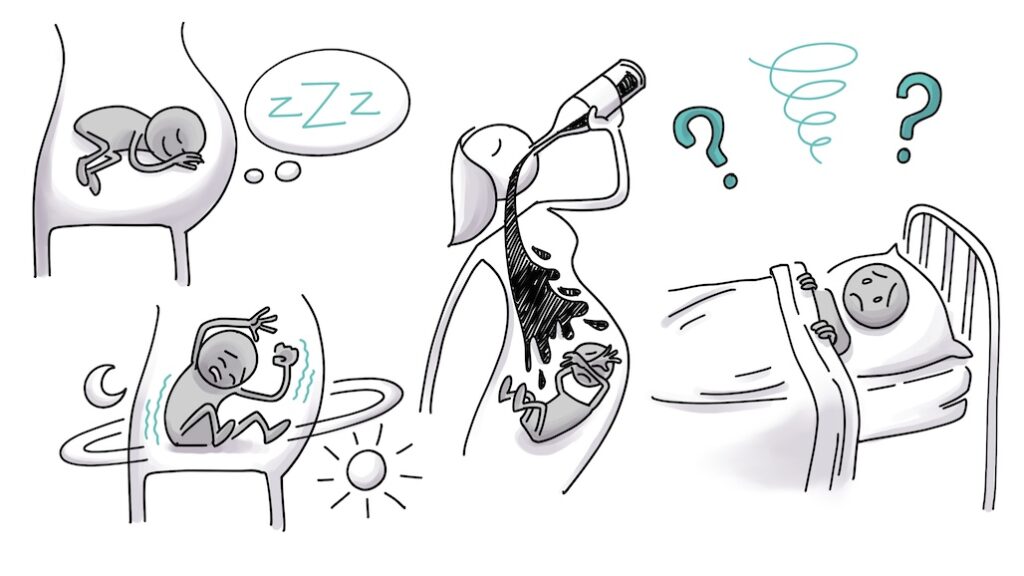
Good sleep, it seems, is something we learn while we’re still in the womb. If a developing child’s sleep–wake cycles during pregnancy get disrupted because their mother regularly drinks alcohol, the child will likely experience sleep issues for the rest of their lives.
development windows | infancy vision
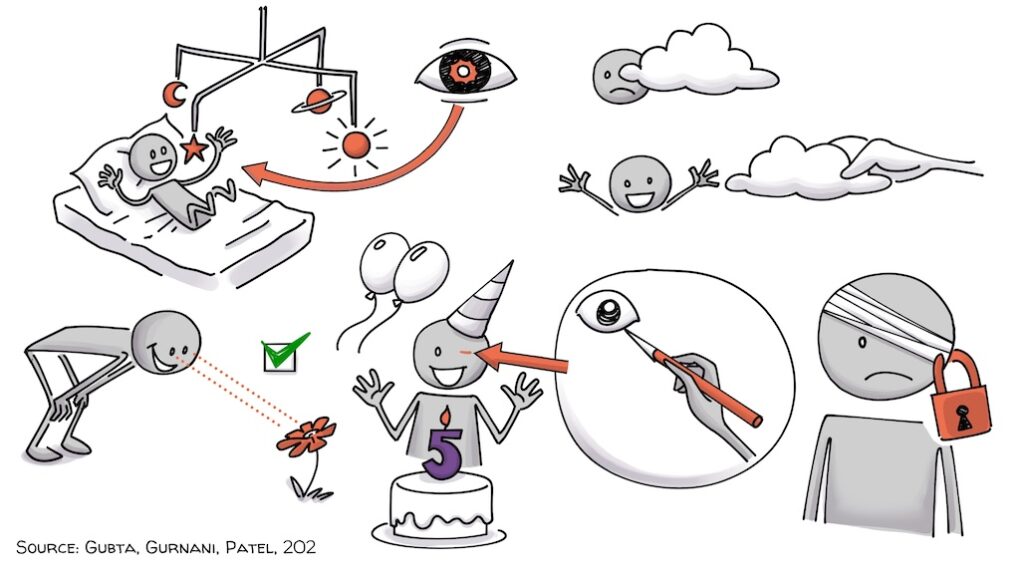
Within weeks after birth, full vision develops. If a baby is born with a cataract, and the cloudy lens gets removed, the child will see normally. Delay surgery beyond the fifth birthday, and the damage becomes permanent.
And if kids have too much screen time and primarily focus on things right in front of their eyes, their vision doesn’t develop properly—they instead develop myopia and will likely need glasses.
development windows | attachment
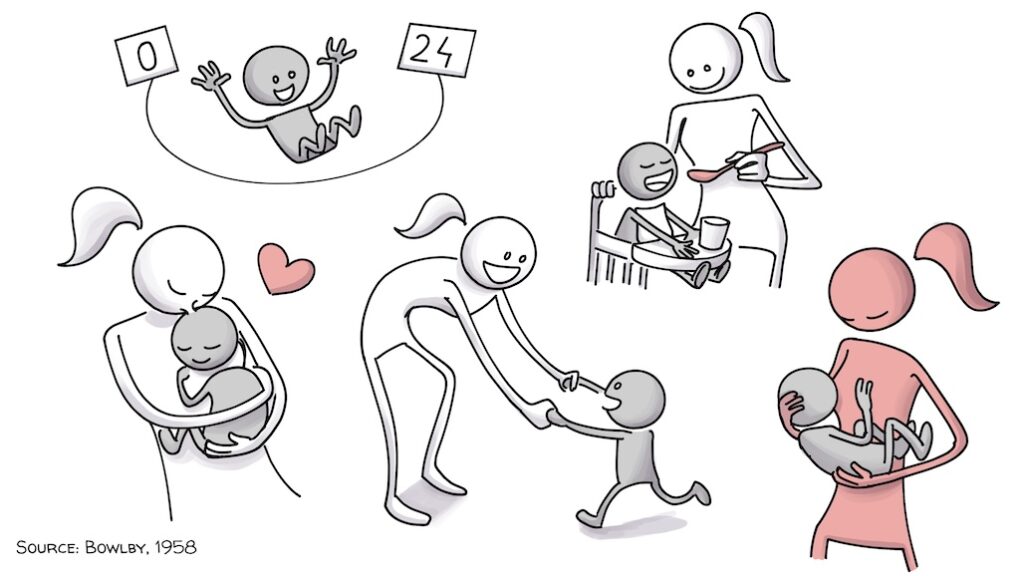
During the first 24 months of life, children need to be well nourished and receive lots of love to develop a trusting relationship with their primary caregiver—often the mother. If they learn to question the person they most depend on, they become insecurely attached, can develop a lifelong mistrust of others, and tend to be pessimistic or anxious.
development windows | hearing & speech
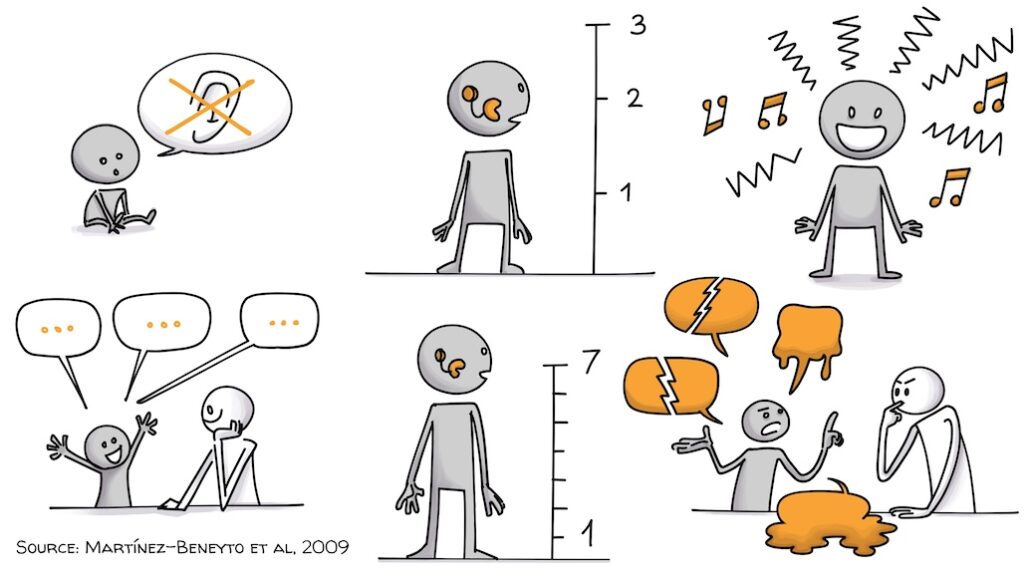
Children born deaf who receive a cochlear implant before the age of three tend to develop near-typical speech, whereas those who have it implanted after the age of seven often face ongoing difficulties.
development windows | language
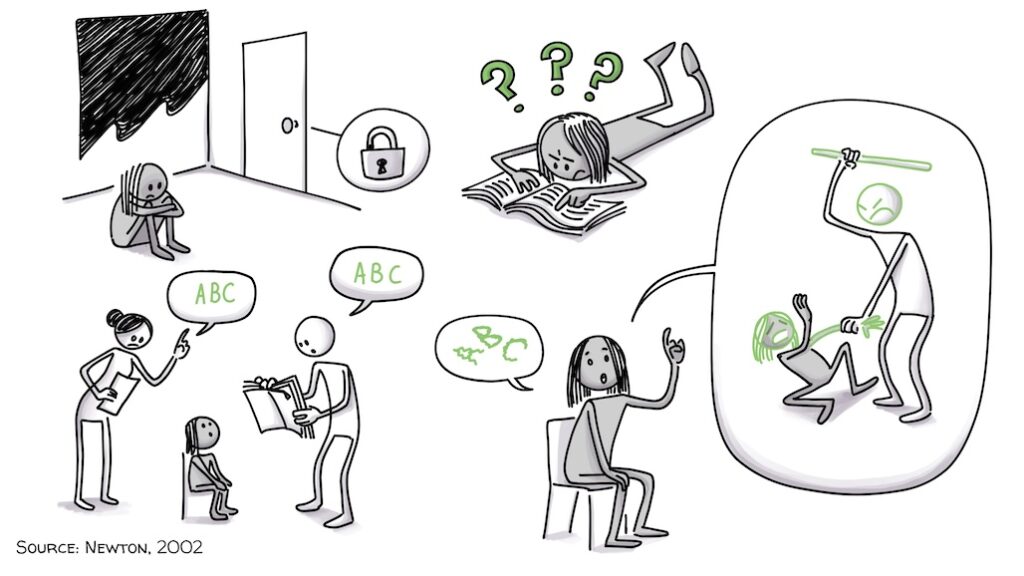
The tragic case of Genie Wiley, a girl deprived of speech until age 13, demonstrated how hard it is to learn language later in life. Even with lots of help, she only learned to speak in short, broken sentences, like “Father hit arm. Big wood. Genie cry.”
Studies of Chinese- and Korean-born immigrants found that grammar scores declined the later children arrived in the United States, flattening out around puberty.
puberty brain
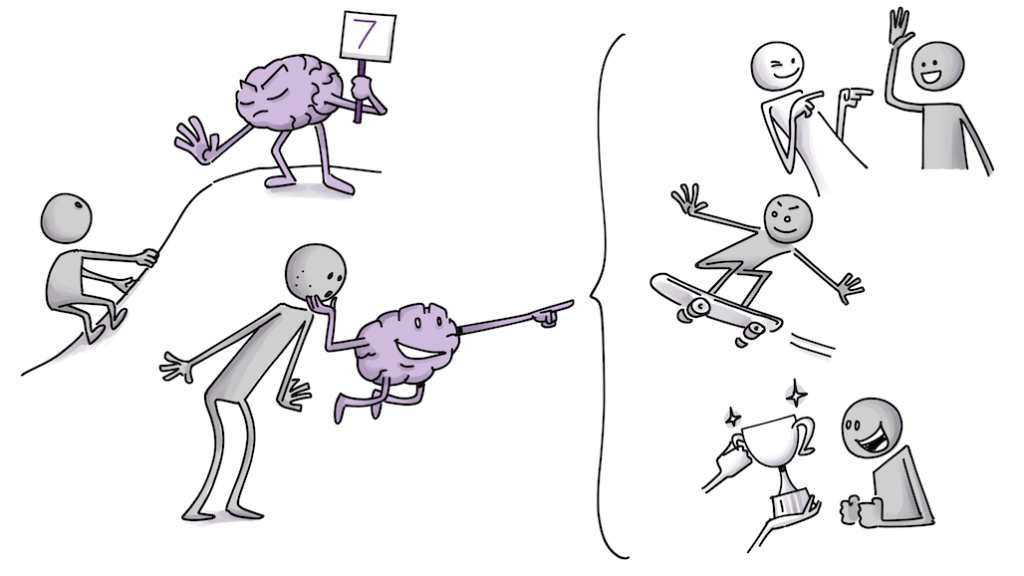
Most critical periods end by the age of 7, although during puberty our brains remain highly sensitive to social feedback, risks, and rewards. During this period, exposure to excessive amounts of drugs, alcohol, medications, or chronic stress can harm our brains for life.
lifelong effects
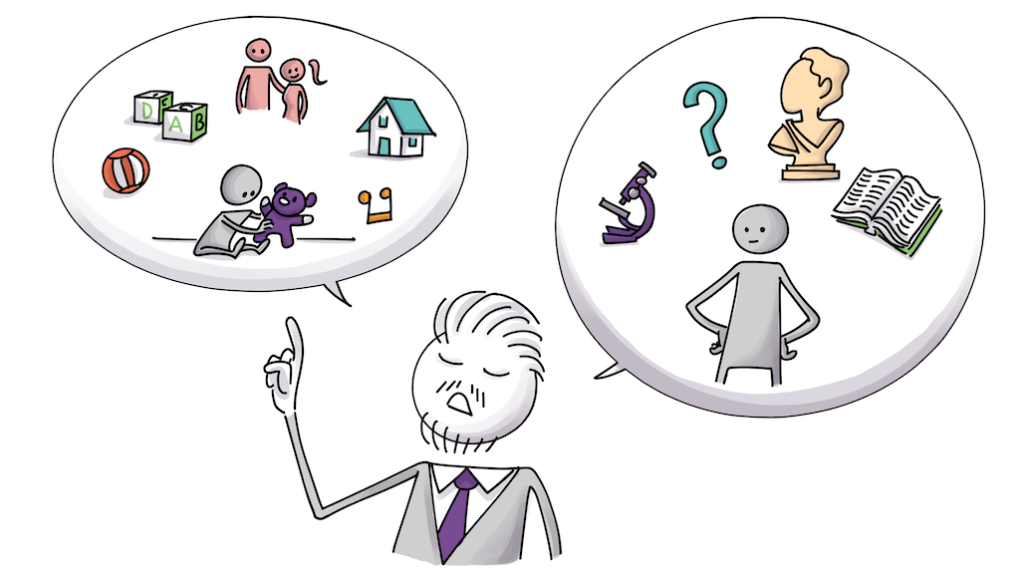
Konrad Lorenz concluded: “I consider early childhood events as most essential to a man’s scientific and philosophical development.”
Sources
- Dews, P. B., & Wiesel, T. N. (1970). Consequences of monocular deprivation on visual behaviour in kittens. The Journal of Physiology, 206(2), 437-455.
- Tchernichovski, O., Mitra, P. P., Lints, T., & Nottebohm, F. (2001). Dynamics of the vocal imitation process: how a zebra finch learns its song. Science (New York, N.Y.), 291(5513), 2564–2569.
- Johnson, J. S., & Newport, E. L. (1989). Critical period effects in second language learning: the influence of maturational state on the acquisition of English as a second language. Cognitive psychology, 21(1), 60–99.
- Curtiss, S. (1977). Genie: A psycholinguistic study of a modern-day wild child. New York: Academic Press.
- Geers, A. E., & Nicholas, J. G. (2013). Enduring advantages of early cochlear implantation for spoken language development. Journal of speech, language, and hearing research : JSLHR, 56(2), 643–655.
- Rutter, M., & the English and Romanian Adoptees (ERA) study team. (1998). Developmental Catch-up, and Deficit, Following Adoption after Severe Global Early Privation. The Journal of Child Psychology and Psychiatry and Allied Disciplines, 39(4), 465–476.
- Fuhrmann, D., J. Knoll, L., & Blakemore, S.-J. (2015). Adolescence as a sensitive period of brain development. Trends in Cognitive Sciences, 19(10), 558–566.
- Gariépy, J.-L., B. Bailey Jr., D., & J. Holochwost, S. (2017). Critical periods. Encyclopedia of Infant and Early Childhood Development (Second Edition), 347–357.
- Daw, N. W., Berman, N. E. J., Ariel, M., Interaction of Critical Periods in the Visual Cortex of Kittens. Science 199,565-567(1978).
- Guire, E. S., Lickey, M. E., & Gordon, B. (1999). Critical period for the monocular deprivation effect in rats: assessment with sweep visually evoked potentials. Journal of neurophysiology, 81(1), 121–128.
- HUBEL, D. H., & WIESEL, T. N. (1959). Receptive fields of single neurones in the cat’s striate cortex. The Journal of physiology, 148(3), 574–591.
- Arkaprava Ray; Bharat Gurnani, Pediatric Cataract, National Library of Medicine
Dig deeper!
- Read how male zebra finches must hear an adult song between 25 and 65 days after hatching. Without this input, their songs remain disorganized—no matter how much they practice (Jin & Clayton, 1997).
- Learn more about the Critical Period Hypothesis in linguistics by reading Verywell Mind’s article on The Story of Genie Wiley.
- Watch How Early Childhood Experiences Affect Lifelong Health and Learning from Harvard University’s Center on the Developing Child.
Classroom activity
Objective:
Students will understand the concept of critical periods in human development and explain how timing of experiences influences lifelong brain function.
Materials Needed:
- Sprouts video: 5 Developmental Windows That Shape Your Life Forever
- Whiteboard or flip chart
- Markers
- Sticky notes
- Student notebooks
Duration: 60 minutes
Steps:
1. Introduction and Video Viewing (10 minutes)
- The teacher opens with: “If you miss the right moment to learn something, can you fully make up for it later?”
- Collect quick opinions, then invite students to watch a short video explaining how timing shapes the brain.
- Play the Sprouts video.
2. Group Analysis: Tracing Critical Periods (15 minutes)
- Divide students into groups, ask them to identify the critical periods shown in the video (sleep, vision, hearing & speech, attachment, language).
- Each group discusses: What happens if this window is missed?
3. Concept Mapping (5 minutes)
- Groups create a simple timeline from prenatal development to puberty, placing each critical period and its key outcome on the timeline.
4. Group Presentations and Synthesis (10 minutes)
- Groups briefly present one critical period.
- Briefly discuss why they chose that position.
- The teacher synthesizes ideas, emphasizing the “use-it-or-lose-it” principle and brain plasticity.
5. Discussion: Can We Compensate Later? (15 minutes)
- Ask the students: Why are some skills harder—or impossible—to fully recover later in life?
6. Reflection and Sharing (5 minutes)
- Ask students to write down one experience from their own childhood that may have shaped how they learn, trust, or communicate.
- Volunteers share insights.
- The teacher closes: “Understanding critical periods helps us see why early experiences matter so deeply.”
Collaborators
- Script: Jonas Koblin and Ludovico Saint Amour di Chanaz, PhD
- Cartoon artist: Pascal Gaggelli
- Producer: Selina Bador
- Voice artist: Matt Abbott
- Coloring: Sasalux
- Editing: Peera Lertsukittipongsa
- Sound Design: Miguel Ojeda
- Publishing: Vijyada Songrienchai