

Post-traumatic stress disorder (PTSD) is a condition that can develop after exposure to severe trauma and chronic stress. This video explains how PTSD affects the brain, including symptoms such as hypervigilance, intrusive memories, anxiety, and sleep disturbances. You will learn how the fight, flight, or freeze response can become overactive and why the brain remains on constant alert.
the full story
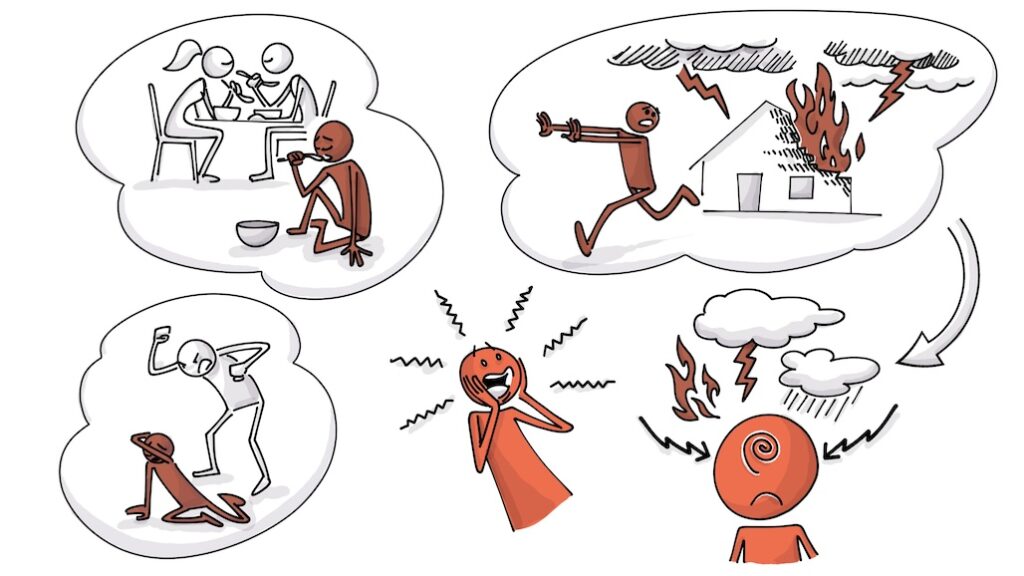
When your life is threatened so severely that it alters your brain’s structure, you may begin to constantly fear for your safety. This state of chronic stress can be a sign of post-traumatic stress disorder. Deeply traumatic experiences, such as violence, child abuse, or a natural disaster, all can lead to PTSD.
stress response
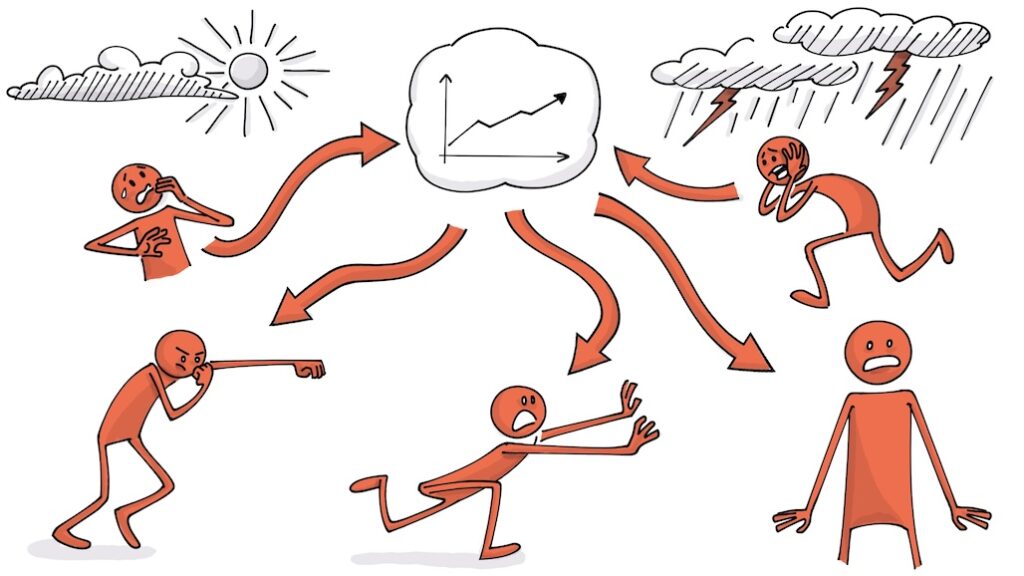
Understanding how this happens requires an examination of stress itself. Stress is a natural response to uncertainty and perceived threats, as a result of which specific hormones surge, and you prepare to fight, flee, or freeze.
If the danger passes, the body returns to a state of calm, leaving you feeling tired but relieved.
brain changes
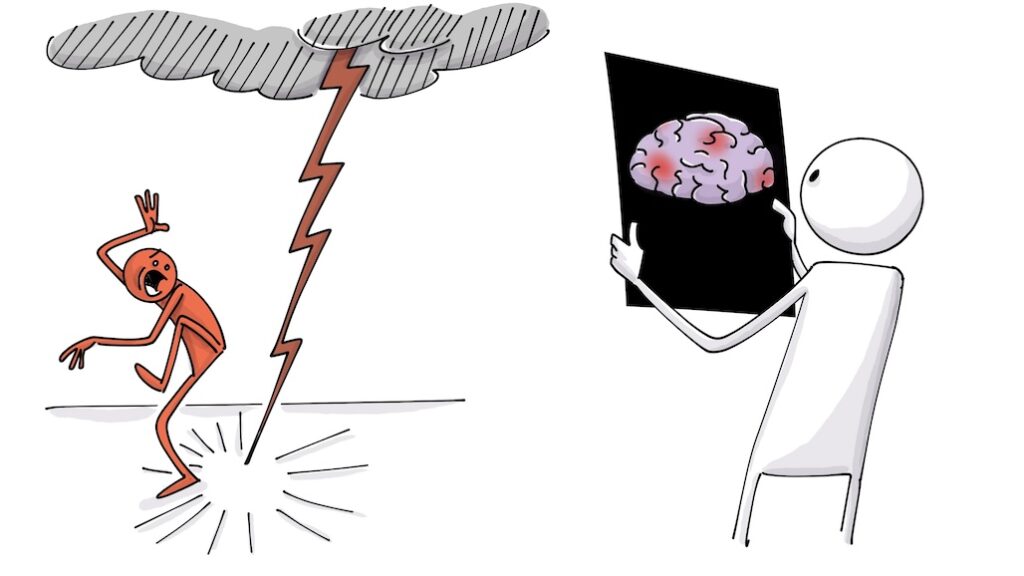
However, when something feels overwhelmingly threatening, it can induce lasting structural changes in the brain, causing your mind to be continuously alert. At its core, PTSD is a response aimed at keeping you safe, but it does so at a terribly high cost.
PTSD Symptoms
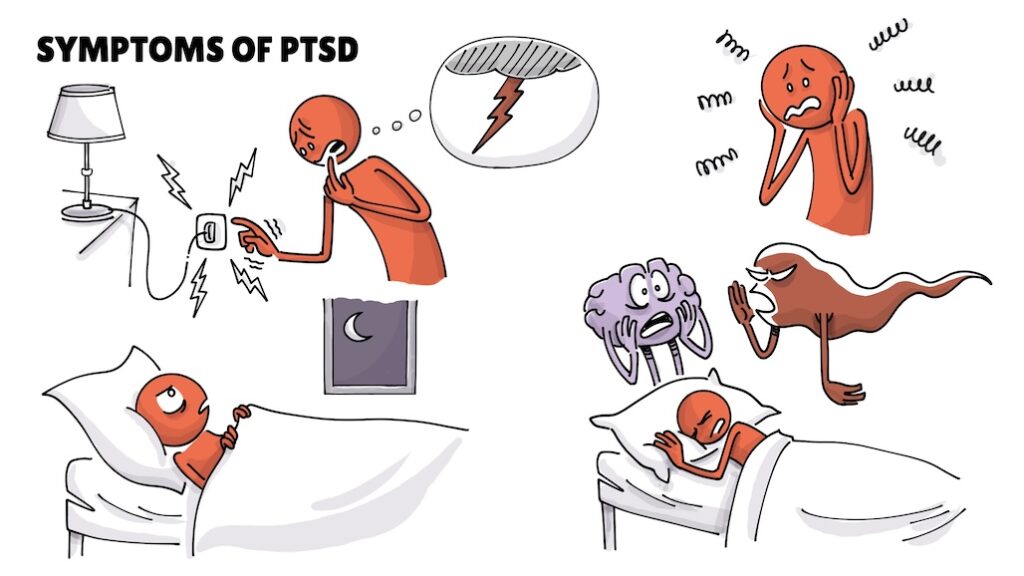
Symptoms of PTSD include intrusive memories, insomnia, nightmares, and anxiety. As a result, you may experience hypervigilance, a constant state of fear and tension— continually scanning your environment for potential threats.
living with ptsd
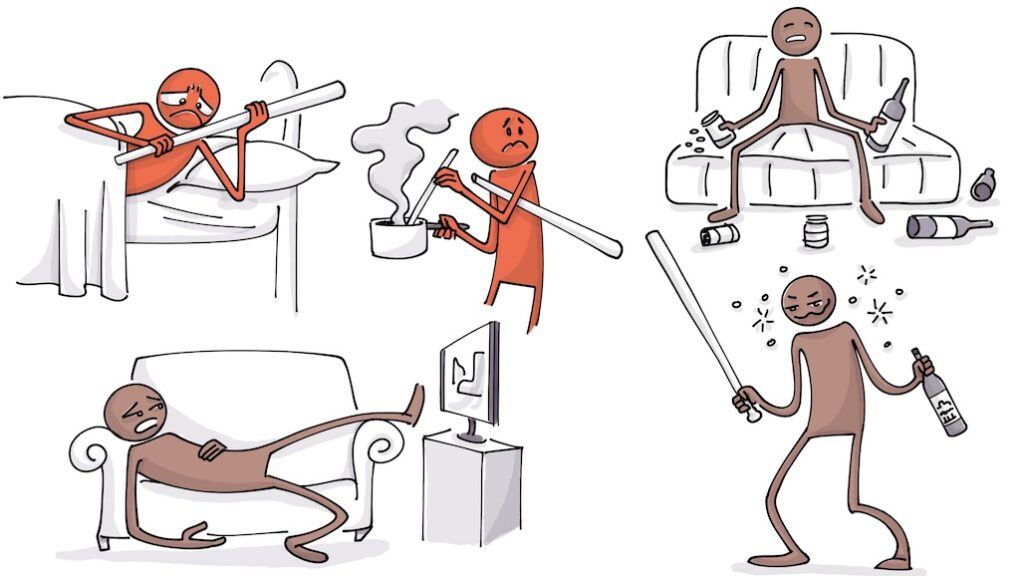
Over time, this chronic level of stress makes living a normal life extremely difficult, and so some turn to drugs and alcohol, or other means of numbing themselves, to regain some sense of control.
PTSD treatment
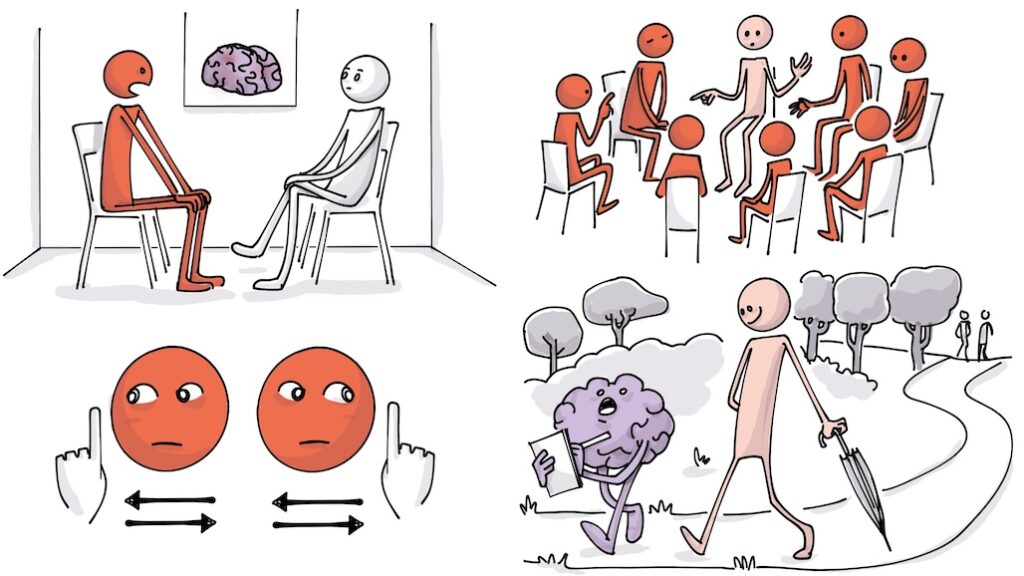
Addressing such trauma often involves Cognitive Behavioral Therapy, EMDR, or community support. Over time, your brain can then learn that the threat has passed and that the world is, in fact, not as dangerous as it once seemed.
share your experience
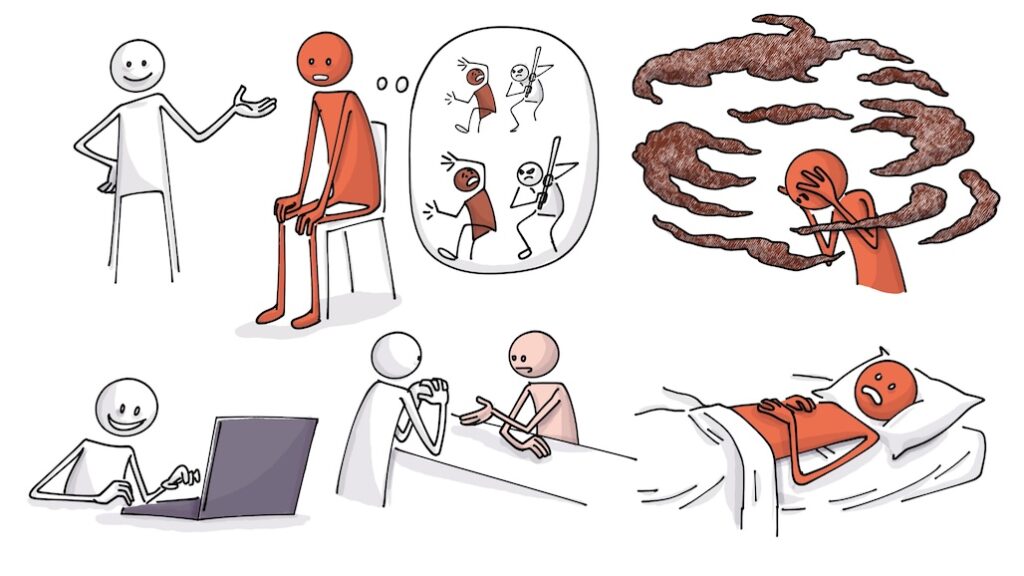
What about you? Did you ever experience flashbacks, intrusive thoughts, or forms of PTSD? And if so, how did you deal with it? Share your thoughts in the comments below!
Sources
- PTSD: National Center for PTSD – ptsd.va.gov
- Bisson, J. I., Cosgrove, S., Lewis, C., & Robert, N. P. (2015) . Post-traumatic stress disorder. BMJ (Clinical research ed. ), 351, h6161.
- Maercker, A., Cloitre, M., Bachem, R., Schlumpf, Y. R., Khoury, B., Hitchcock, C., & Bohus, M. (2022). Complex post-traumatic stress disorder. Lancet (London, England), 400(10345), 60-72.
- Ganier, D., Alam, S., Alam, H., & Redding, H. (2020). A FLASH OF HOPE: Eye Movement Desensitization and Reprocessing (EMDR) Therapy. Innovations in clinical neuroscience, 17(7-9), 12-20.
Dig deeper!
- Watch this animated video by Joelle Rabow Maletis explains what is happening in the brain during and after trauma.
- Read this booklet “Understanding PTSD: A Guide for Family and Friends” from National Center for PTSD to support your loved one’s recovery.
- If you are in distress, consider taking a PTSD Self-Screen test. Keep in mind that these resources are for educational purposes and are most effective when used alongside professional support. If you or someone you know is in immediate distress, please reach out to a local crisis hotline or mental health professional.
Classroom activity
Objective
Students will explore how trauma impacts the brain by understanding the development, symptoms, and treatment of PTSD. They will critically analyze the biological, psychological, and social aspects of the disorder and discuss pathways to healing.
Materials Needed
- Video or excerpted script on Post-Traumatic Stress Disorder (PTSD)
- Handouts summarizing brain structures involved (amygdala, hippocampus) and treatments (CBT, EMDR, medication)
- Whiteboard or large post-it notes for brainstorming
- Short case studies illustrating PTSD experiences
Duration: 60 minutes
Steps:
1. Introduction and Video Viewing (10 minutes)
- Introduce the Topic by explaining that PTSD is a long-term consequence of trauma, where the brain remains stuck in survival mode.
- Play Sprouts’ video
- Ask students to write quick notes:
- What part of PTSD surprised you the most?
- How might PTSD change everyday life for someone?
2. Group Analysis: Inside PTSD (15 minutes)
- Divide students into four groups, each group focuses on one major theme:
Group 1: Brain changes (amygdala and hippocampus)
Group 2: PTSD symptoms (flashbacks, hypervigilance, emotional numbing)
Group 3: Common coping strategies (healthy and unhealthy)
Group 4: Treatment options (CBT, EMDR, medication, lifestyle adjustments) - Using excerpts and handouts, each group answers:
- How does this aspect help explain PTSD?
- What challenges arise because of it?
- What are possible ways to support someone affected?
3. Group Presentations and Class Discussion (15 minutes)
- Each group gives a short presentation overview of their theme.
- Teacher lead the class discussion with the following questions;
- How do brain changes lead to symptoms?
- Why is treatment often multi-layered (therapy, medication, support)?
4. Structured Discussion: Healing from Trauma (15 minutes)
- Pose the following discussion questions;
- Is it possible to fully “heal” from PTSD, or is it more about learning to live with it?
- How important is community and social support compared to medical interventions?
- In small groups, give 3-5 minutes for students to gather points. Encourage students to reference the video, script, or real-world examples where appropriate.
5. Reflection and Sharing (5 minutes)
- Ask each group write briefly:
- What is one thing you learned today about PTSD that changed the way you think about trauma?
- How might greater awareness of PTSD help reduce stigma around mental health?
- Invite a few students to share their reflections with the class if they feel comfortable.
Collaborators
- Script: Jonas Koblin and Ludovico Saint Amour di Chanaz
- Cartoon artist: Pascal Gaggelli
- Producer: Selina Bador
- Voice artist: Matt
- Coloring: Nalin
- Editing: Peera Lertsukittipongsa
- Sound Design: Miguel Ojeda
- Publishing: Vijyada Songrienchai